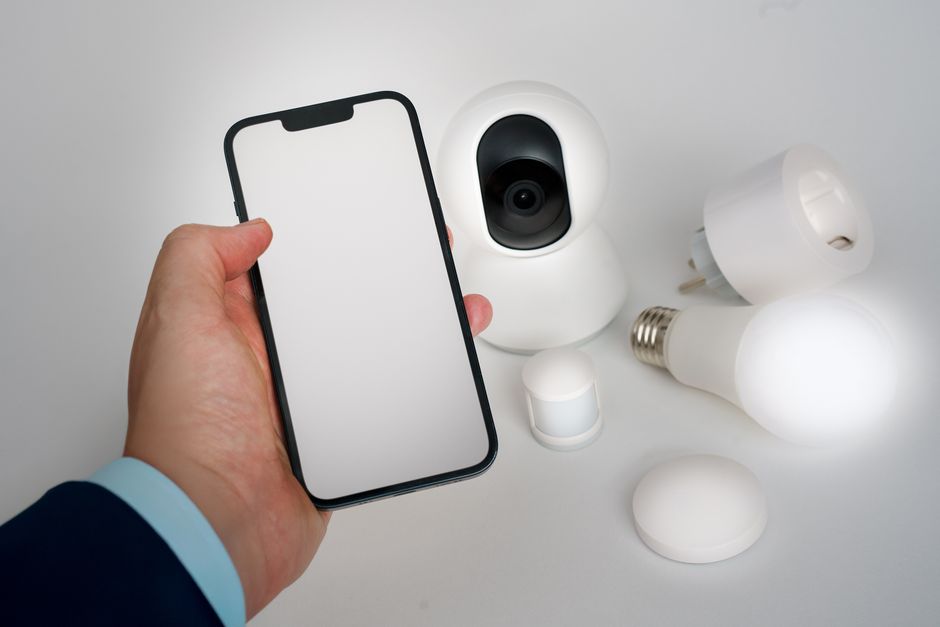
Sydney homeowners are increasingly moving beyond basic alarm systems and investing in fully integrated smart homes — spaces where security, lighting, climate and entertainment respond intelligently to how you live. Done well, a smart home doesn't just feel convenient; it feels genuinely premium. This guide walks through the key layers of a smart home build, with a focus on the CCTV and security infrastructure that underpins everything else.
Start With Security: The Foundation of Any Smart Home
Every premium smart home starts with a robust security layer, and in Sydney's diverse neighbourhoods — from inner-west terraces to Northern Beaches acreage — the requirements vary considerably. Before selecting cameras or sensors, it pays to carry out a proper site assessment. Identify your entry points, blind spots, lighting conditions at night, and whether you need coverage inside as well as outside.
A well-designed residential CCTV system typically combines wide-angle cameras at the perimeter with higher-resolution units focused on doors, gates, and driveways. Modern IP cameras offer 4K resolution, colour night vision, and two-way audio — features that were considered luxury additions just a few years ago and are now standard in premium installations.
Choosing the Right CCTV Technology
Not all cameras are equal. When speccing a system for a Sydney home, consider the following:
- Resolution: 4K (8MP) cameras provide enough detail to identify faces and licence plates without heavy digital zoom.
- Night vision: Colour night vision using ambient or IR light is far more useful than traditional black-and-white IR footage.
- Storage: Network Video Recorders (NVRs) with local storage combined with cloud backup give you redundancy — critical if a camera is tampered with.
- Integration: Cameras that connect to platforms like Google Home, Apple HomeKit, or dedicated security hubs allow unified control from a single app.
- Weatherproofing: Sydney's coastal humidity and UV exposure demand cameras rated at IP66 or higher for outdoor placement.
According to the Australian Institute of Criminology, visible security measures including CCTV cameras are a meaningful deterrent to opportunistic property crime — making placement and visibility a strategic decision, not just a technical one.
Integrating Automation: Locks, Lighting and Beyond
Once your security backbone is in place, automation layers sit on top of it naturally. Smart locks allow keyless entry with PIN codes, fingerprints, or smartphone access — and log every entry and exit. Paired with your CCTV system, you can see exactly who unlocked the front door and when.
Automated lighting plays a dual role: it enhances comfort and acts as a security tool. Lighting schedules and motion-triggered scenes deter break-ins by mimicking occupancy when you're away. In premium builds, lighting scenes are tuned to the time of day — warm and dim for evenings, bright and energising for mornings — controlled automatically or via voice command.
Climate automation (smart thermostats, motorised blinds) and whole-home audio complete the lifestyle picture, but these are genuinely best planned alongside your cabling and network infrastructure from the start, not retrofitted later.
The Details That Elevate a Smart Home From Good to Premium
The difference between a functional smart home and a premium one often comes down to integration depth and the quality of the finishing touches. Here's what separates the two:
- Structured cabling: Cat6A throughout the home ensures your network can handle 4K camera streams, smart devices, and fast Wi-Fi simultaneously without bottlenecks.
- Hidden infrastructure: Cameras and sensors neatly recessed into soffits or eaves, with concealed cabling, give a cleaner aesthetic — especially important in architecturally designed homes.
- Unified control panels: A single, well-designed app or touchscreen interface beats managing five separate apps for lights, locks, cameras and climate.
- Professional commissioning: Devices that are properly configured, named, and tested by an experienced installer just work — no frustrating dropouts or incorrect motion zones.
Just as the premium experience in other lifestyle categories is found in considered details — like choosing quality fragrance dupes that deliver a luxury scent experience without compromising on what matters — the best smart homes are built on thoughtful specification and expert execution rather than simply spending more money.
Working With a Sydney Security Specialist
The Sydney market has no shortage of providers, but experience with local conditions — council regulations around camera placement, heritage overlays in inner-city areas, and the specific challenges of coastal environments — makes a genuine difference. An experienced installer will also help you avoid over-speccing (buying more than you need) or under-speccing (cutting corners that you'll regret later).
If you'd like to understand the full range of smart security options available, explore the CamSafe Sydney services page for a comprehensive overview of what a professional installation involves.
Conclusion
A well-executed smart home in Sydney delivers genuine peace of mind alongside everyday convenience. The key is treating security — particularly CCTV — as the foundation, integrating automation thoughtfully on top of it, and sweating the small details that make the whole system feel cohesive and premium. With the right planning and the right installer, the result is a home that works harder for you, looks after itself, and quietly impresses anyone who experiences it.