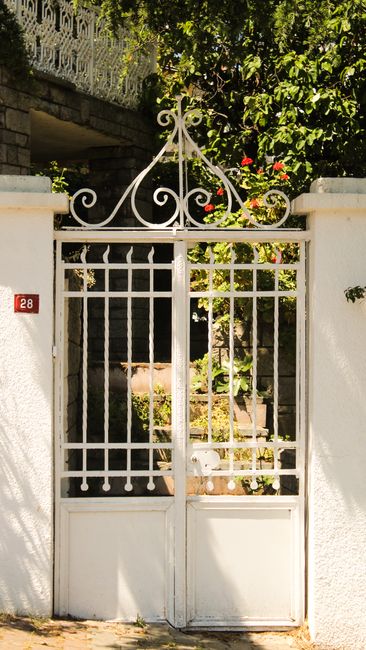
In the Hills District, a backyard pool is part of family life for a lot of households, from Castle Hill and Baulkham Hills through to Kellyville and Dural. When people think about home security, they usually think about cameras, alarms and front door locks. The pool gate deserves the same attention, because it is the one gate on the property whose main job is keeping young children out.
This guide looks at what a pool gate and latch need to do, how they wear over time, and a simple routine for checking them through the year.
What a pool gate is meant to do
In NSW, pool barriers are assessed against the Swimming Pools Act 1992 (NSW), the Swimming Pools Regulation 2018 and the applicable Australian Standard. For the gate, the basic principle is simple: it should be self-closing and self-latching. Wherever it is opened from and however it is released, it should swing shut and latch on its own, without anyone having to pull it closed.
The detailed requirements, including latch positions and other specifics, depend on the standard that applies to your pool. The NSW Swimming Pool Register is the official source for those details and for owners' obligations such as registering the pool. Check there rather than guessing.
Why gates and latches stop working properly
Pool gates work hard. They are opened many times a day in summer, they sit outside in all weather and they often get pushed or leaned on. Common problems include:
- Tired hinge springs. Self-closing hinges lose tension over time, so the gate closes slowly or stops short of the latch.
- Sagging gates. A gate that drops on its hinges can catch on the latch or the ground and fail to close fully.
- Worn or misaligned latches. Latches can loosen, rust or shift out of line with the striker.
- Ground movement. Soil movement, new paving or garden edging can change how the gate sits.
- Things in the way. Hoses, pool toys, leaves and outdoor furniture can stop a gate from swinging shut.
- The propped-open gate. A brick or chair holding the gate open on a busy afternoon defeats the whole point.
A seasonal checking routine
A few minutes every so often is enough to catch most problems early. A simple routine through the year might look like this:
Spring, before the swimming season
- Open the gate fully, let go and watch it close and latch. Repeat from a half-open position and from just ajar.
- Check the hinges and latch for rust, loose screws and damage.
- Walk the outside of the fence and move anything that could be climbed, such as chairs, pot plants and storage boxes.
Summer, while the pool is in use
- Make it a household rule that the gate is never propped open.
- Keep pool toys, inflatables and hoses clear of the gate's swing.
- Watch for visitors and contractors leaving the gate unlatched.
Autumn and winter
- Clear leaves and debris from around the gate and latch.
- Trim back plants that have grown over the season.
- Book any repairs while the pool is used less, so the barrier is ready for spring.
Cameras help, but they are not a barrier
If your home has security cameras covering the backyard, a camera that can see the pool area is a useful extra set of eyes. It can help you notice when the gate has been left open or when someone is in the pool area. A home CCTV system does not replace a compliant gate, though. Supervision and a working barrier still do the real work.
When to book an independent certifier
Your own checks are about maintenance. A formal inspection is different: it is an assessment of the whole barrier against the legislation and the applicable standard by someone registered to do it. It makes sense to book one when you are selling or leasing the property, since a certificate for the barrier is usually required, after renovations or landscaping near the pool, or whenever you are not sure the barrier is right.
If you are in the area, you can book a pool certifier covering Castle Hill and the surrounding suburbs. An independent certifier inspects and reports rather than doing repairs. The inspection ends with either a certificate of compliance or a certificate of non-compliance with a detailed report of what needs attention, which your own tradespeople can then work through.
A pool gate that closes and latches every time is one of the simplest safety measures in any home. Check it regularly, fix small problems early and get the barrier formally checked when it matters.