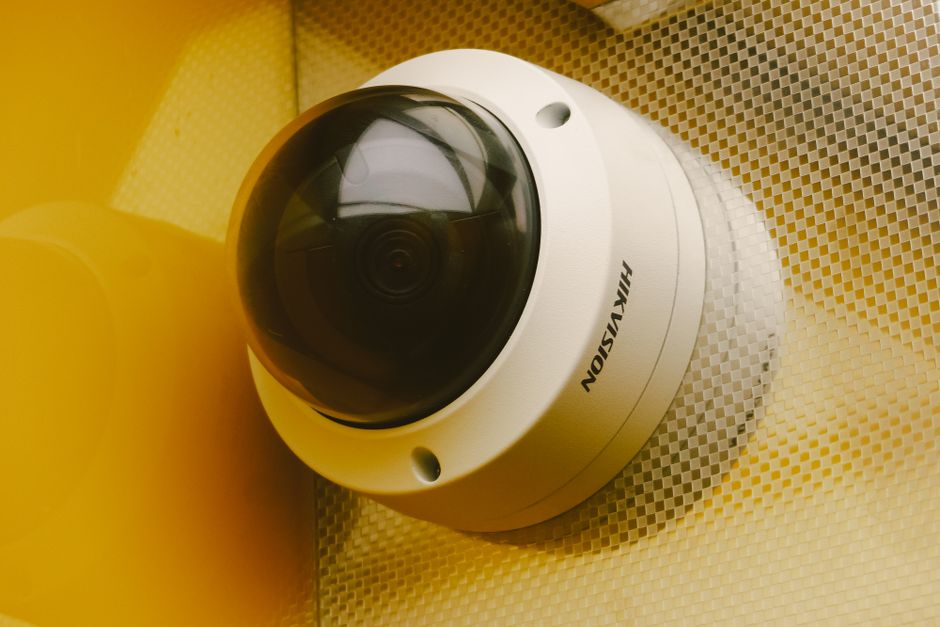
If you spend your days running cables through ceiling cavities, drilling into brick walls, and positioning cameras at awkward angles, your body takes a serious beating. For the certified technicians behind professional CCTV installations — like those carried out daily by the team at CamSafe Sydney — repetitive strain injuries (RSIs) are an occupational hazard that rarely gets enough attention. Increasingly, Australian tradespeople looking to speed up recovery are exploring options like peptide therapy, and many are choosing to buy BPC-157 Australia-wide as part of a broader injury management plan.
Why CCTV Technicians Are at High RSI Risk
Security installation work involves a unique combination of physical stressors. Unlike a standard labourer who might repeat one or two movements, a CCTV technician cycles through drilling overhead, pulling cable, crimping connectors, reaching into tight wall cavities, and kneeling on concrete — often all within the same hour. These compound repetitive motions target the wrists, elbows, shoulders, and lower back simultaneously.
Common RSI conditions among installation professionals include:
- Lateral epicondylitis (tennis elbow) — from gripping drills and screwdrivers repeatedly
- Carpal tunnel syndrome — from extended cable-pulling and connector termination
- Rotator cuff tendinitis — from overhead camera mounting
- Patellar tendinopathy — from sustained kneeling on hard surfaces
Left unmanaged, these injuries accumulate into chronic conditions that can sideline a technician for weeks or end a career prematurely.
Ergonomic Best Practices on the Job Site
Prevention starts before the first drill bit touches the wall. Adopting sound ergonomic habits significantly reduces the cumulative load on your musculoskeletal system.
Tool Selection and Technique
Use power tools with vibration-dampening handles and keep them well-maintained. A sharp drill bit requires far less force — and far less strain — than a dull one. When fishing cable, use a proper cable-routing tool rather than forcing the run with your hands. Switch your dominant hand periodically during low-precision tasks to distribute load.
Posture and Positioning
Whenever possible, use a step ladder or scaffold rather than stretching overhead from floor level. Keep your elbows close to your body when drilling horizontally. For low-level work, kneel on a padded kneeling pad or use a low stool rather than squatting. Small adjustments like these add up significantly over a full day on site.
Scheduled Micro-Breaks
Set a reminder to pause for 60–90 seconds every 30 minutes of intensive work. Use that time to shake out your hands, roll your shoulders, and stretch your forearm flexors. It feels counterproductive when you're on a deadline, but the science consistently supports micro-breaks as one of the most effective RSI prevention tools available.
Recovery Options: From Physiotherapy to Peptide Research
When an RSI does develop, early intervention is critical. Physiotherapy, targeted stretching, anti-inflammatory protocols, and adequate rest remain the foundation of any recovery plan. However, a growing number of Australian tradespeople and athletes are supplementing conventional treatment with research peptides — particularly BPC-157, a synthetic peptide derived from a protective gastric protein that has shown promising results in tendon and ligament repair studies.
Those researching this option often find it worthwhile to purchase BPC-157 from a reputable Australian supplier to ensure product quality and purity. As with any supplement or research compound, consult a qualified medical professional before use.
It's also worth noting that recovery culture in physically demanding professions is changing. Much like how high-profile figures such as Michael Heseltine demonstrated resilience and adaptability in demanding careers over many decades, tradies and technicians are increasingly recognising that long-term physical wellbeing requires proactive management, not just toughing it out.
Building a Workplace Wellness Culture
For businesses running installation teams, creating a culture that takes RSI seriously is both an ethical obligation and a smart commercial decision. Injured technicians mean delayed projects, higher insurance premiums, and lost expertise. Consider providing:
- Ergonomic tool kits as standard issue
- Annual manual-handling refresher training
- Access to physiotherapy as part of employee benefits
- Clear reporting pathways so early-stage discomfort gets addressed before it becomes injury
You can also browse the CamSafe Sydney blog for more industry insights relevant to professional security installation work.
Conclusion
Repetitive strain injuries are not an inevitable cost of doing business as a security technician. With thoughtful ergonomic habits, timely recovery strategies, and a workplace culture that values physical wellbeing, technicians can build long, healthy careers. Whether you're a solo operator or part of a larger installation crew, investing in your body is just as important as investing in quality equipment and training.