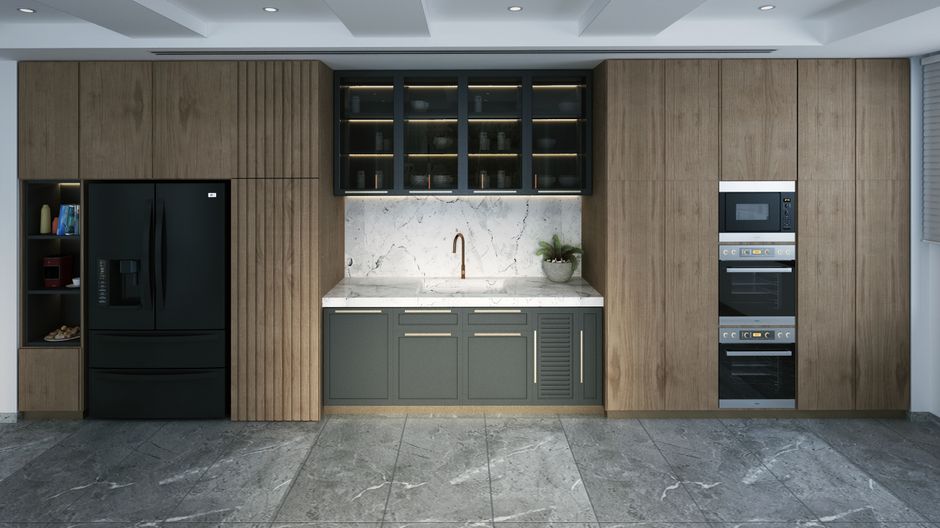
A dedicated home theatre room is one of the most rewarding investments a homeowner can make, but getting the technology to disappear into the design is just as important as choosing the right screen or speakers. This article walks through five clever AV cabinet joinery ideas that keep your equipment hidden, organised and accessible without compromising the cinematic atmosphere you have worked hard to create.
Why Concealment Matters in a Dedicated Home Theatre Room
Walk into any professionally designed home theatre and the first thing you will notice is what you cannot see. Cables, receivers, amplifiers, streaming boxes and patch panels are all tucked away, leaving nothing to distract from the main event on screen. That visual discipline is not just about aesthetics. It serves several genuinely practical purposes.
First, exposed equipment invites dust, accidental knocks and curious hands, all of which shorten the lifespan of expensive components. Proper joinery encloses gear in a controlled environment where ventilation can be managed deliberately rather than left to chance.
Second, cable clutter is a real safety concern. Loose runs of HDMI, power and speaker wire across a darkened room create trip hazards that purpose-built cabinetry eliminates entirely. This is a point that security-conscious homeowners already understand well: a tidy, structured environment is a safer one.
Third, concealment protects your investment against opportunistic theft. Visible, high-value electronics advertise themselves. When equipment is housed behind closed joinery, even a casual intruder scanning the room sees far less to target.
- Dust and damage control: enclosed cabinetry keeps components cleaner and better protected
- Cable safety: hidden routing eliminates trip hazards in a low-light space
- Theft deterrence: out-of-sight equipment is harder to identify and target quickly
- Atmosphere: a clutter-free room lets the screen and sound command full attention
With those motivations in mind, the following sections explore specific joinery approaches that deliver on all four counts.
Built-In Cabinet Styles That Disappear Into Your Walls
The best AV cabinet is one you barely notice. When your media equipment lives behind joinery that reads as a seamless part of the room, the whole home theatre space feels calmer, more intentional, and far more impressive to guests. Achieving that effect comes down to choosing a cabinet style that genuinely integrates with your wall architecture rather than sitting in front of it.
Several built-in approaches consistently deliver that invisible result:
- Full-height alcove cabinetry: Built floor-to-ceiling between existing walls or purpose-built columns, these units absorb your AV stack, cabling, and network gear behind a single face line. Painted to match the surrounding plaster, they read as part of the structure itself.
- Flush-inset panel doors: Unlike overlay doors that protrude slightly, flush-inset fronts sit perfectly within the cabinet frame, creating a flat plane across the entire wall surface. The result is closer to a feature wall than a piece of furniture.
- Recessed toe-kick enclosures: Routing cables and smaller components into a deep toe-kick recess keeps your main cabinet face uncluttered while tucking power boards and patch panels completely out of sight.
- Concealed ventilation panels: Perforated or louvred sections finished in the same colour as the cabinet face allow heat to escape from receivers and amplifiers without breaking the visual line.
One consideration worth raising for Sydney home theatre rooms specifically is that built-in AV joinery often shares wall cavities with structured cabling, network runs, and in some cases security system wiring. If your installation includes CCTV cameras or alarm components serving the wider property, it pays to plan those cable pathways alongside your AV joinery from the start. Retrofitting security cabling through a finished built-in is both disruptive and costly, so coordinating trades early protects the clean aesthetic you worked hard to achieve.
Joinery Techniques for Clean Cable Management and Ventilation
A beautifully crafted AV cabinet means very little if cables are bundled chaotically inside or the equipment overheats within weeks. Smart joinery decisions at the build stage solve both problems permanently, and the same principles apply whether you are housing a home theatre receiver or a residential security system with network video recorders and switching hardware.
The following techniques give cabinet makers and confident DIYers a practical starting point:
- Routed cable channels: Cut dedicated grooves into shelf backs and side panels during construction. Cables sit flush inside the routed channel, a router rebate of around 20 mm wide keeps signal cables separated from power cables to reduce interference.
- Grommeted pass-throughs: Drill clean apertures between compartments and fit rubber or brushed-steel grommets. These protect cable jackets, look intentional and stop small fingers or pests from accessing the interior.
- Removable rear panels: Fix the back panel with barrel bolts rather than glue. This lets you pull the cabinet away from the wall, re-route new cables and push it back without dismantling the entire unit.
- Vented shelving: Replace solid shelf panels with louvred or perforated board on equipment bays. Heat from amplifiers and NVRs rises through the perforations and exits via a top vent strip cut into the cabinet crown.
- Active ventilation recesses: Build a shallow recess into the top or rear panel to house a quiet 120 mm fan. Recessing the fan keeps it hidden while still drawing warm air out efficiently.
Ventilation is particularly critical if your cabinet also houses network switches or recording equipment. Poor airflow is a leading cause of premature hardware failure. If you are unsure which equipment generates the most heat in your setup, the CamSafe Sydney FAQ covers common questions about rack-mounted security hardware and its thermal requirements, which translates directly to cabinet planning decisions.
Material and Finish Choices That Match Your Theatre Aesthetic
The joinery materials and finishes you choose for your hidden AV cabinet can make or break the overall look of your home theatre room. Getting this right means your concealed equipment housing blends seamlessly into the space rather than standing out as an afterthought.
- Timber veneer panels: A classic choice for dedicated theatre rooms, timber veneer gives cabinetry a warm, premium feel. Walnut and American oak are particularly popular because they absorb sound rather than reflecting it, which is a genuine acoustic bonus in a viewing room.
- Painted MDF with a matte finish: If your theatre has a clean, modern aesthetic with dark walls, a matte black painted MDF cabinet practically disappears into the room. Matte finishes avoid the glare that gloss surfaces can produce when projector light hits them at certain angles.
- Fabric-wrapped doors: Acoustic fabric stretched over a timber frame is a favourite among dedicated home theatre builders. It hides equipment completely, allows infrared signals to pass through without any issues, and contributes to the room's sound dampening.
- Perforated metal inserts: For a more industrial or contemporary look, powder-coated perforated steel panels offer excellent ventilation while keeping gear out of sight. They pair well with concrete feature walls or darker colour palettes.
Ventilation grilles deserve special attention regardless of which material you select. Equipment racks generate significant heat, and poorly chosen finishes can trap warmth and shorten the lifespan of your components. Matching your grille finish to the surrounding cabinetry keeps everything cohesive without sacrificing airflow.
Finally, consider how your chosen finish will hold up to the low-light environment of a theatre room. Lighter timbers can show fingerprints more easily, while darker matte surfaces tend to be more forgiving during regular use. Choosing the right combination from the start saves considerable maintenance effort over time.
Door and Panel Solutions for Seamless AV Access
The final piece of any well-executed hidden AV cabinet build is how you provide access without breaking the visual harmony of your home theatre room. The door and panel solution you choose will make or break the illusion of a clean, purpose-built space.
- Push-to-open mechanisms: Touch-latch hardware eliminates the need for visible handles entirely. A gentle push releases the door, keeping the panel face completely uninterrupted.
- Flush inset doors: When fitted with precision, inset doors sit perfectly level with the surrounding cabinetry, creating a flat, continuous surface that reads as a single wall panel.
- Fabric-wrapped acoustic panels: These double as both sound absorption and disguised access doors. The fabric face conceals hinges and gaps while contributing to the room's acoustic performance.
- Sliding barn-style panels: For wider cabinet runs, a full-width sliding panel can glide to one side and reveal the entire equipment bay in a single smooth motion.
- Perforated or slatted fronts: Where ventilation is a priority, timber slats or perforated panels allow airflow while keeping internal components visually screened from casual viewing angles.
For security-conscious homeowners, consider integrating a simple lock cylinder or magnetic contact sensor into your panel design. This is particularly relevant if your AV cabinet also houses a network video recorder (NVR) tied to your home CCTV system. Keeping that hardware secured behind a locked panel adds a practical layer of physical protection that complements your overall security setup.
Regardless of which door style you choose, consistent timber grain, matched paint finishes and tidy cable routing behind the panels will ensure the result looks intentional and refined rather than makeshift.
From flush cabinet faces to fabric-wrapped access panels, every joinery decision in a home theatre room feeds into a single goal: a space that feels considered, calm and completely in control. The best AV cabinets are the ones nobody notices, because the craftsmanship and planning behind them have done exactly their job.