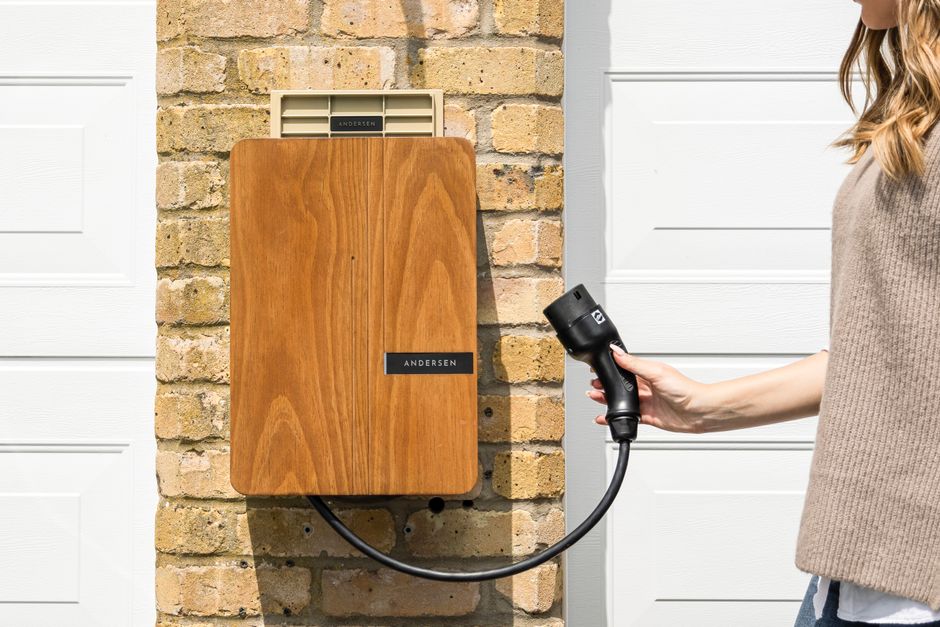
Sydney property owners are adopting electric vehicles faster than ever — and the pressure to get charging infrastructure right has never been higher. With electricity costs climbing, insurers scrutinising non-compliant installations, and council requirements tightening under the NCC 2022, a half-measures approach to EV charging is a liability. Whether you own a suburban home or manage a commercial site in the CBD, this guide cuts through the noise on equipment selection, safety compliance, professional installation, and long-term maintenance — so your charging setup works safely from day one.
Choosing the Right EV Charging Station Equipment for Your Property
Selecting the correct EV charging station equipment is the foundation of a safe, efficient, and cost-effective charging setup. With the Australian market now offering a wide range of charger types and brands, it's easy to feel overwhelmed — but breaking the decision down into a few key criteria makes the process far more manageable.
Level 1 vs. Level 2 Chargers: What Suits Your Needs?
Most Sydney residential properties are well-served by a Level 2 AC charger (typically 7kW–22kW), which offers a practical balance between charging speed and installation cost. Commercial properties — such as car parks, retail centres, or workplaces — may benefit from higher-output DC fast chargers. Understanding the difference between these charger types is a good starting point; the Charging station overview on Wikipedia provides a helpful technical breakdown of each category.
Key Equipment Features to Look For
- Safety certifications: Always choose equipment certified to Australian standards (look for RCM marking).
- Smart connectivity: Wi-Fi or app-enabled units allow you to monitor energy usage and schedule charging during off-peak tariff periods.
- Weather resistance: Sydney's coastal humidity and occasional storms mean an IP65-rated enclosure or higher is strongly recommended for outdoor installations.
- Cable management: Tidy, secure cabling reduces trip hazards and prevents wear — a detail that aligns with the same attention to detail we apply to professional CCTV cable routing at CamSafe Sydney.
Taking time to match the right equipment to your property's electrical capacity and daily usage patterns will save you from costly upgrades and safety headaches down the track.
Australian Safety Standards and Sydney-Specific Regulations for EV Charging Station Equipment
Before purchasing or installing any EV charging station equipment at your Sydney property, understanding the relevant Australian standards and local regulations is essential. Non-compliant installations carry serious risks — from electrical faults and fire hazards to failed insurance claims and significant council penalties.
Key Standards Every Sydney Property Owner Should Know
- AS/NZS 3000 (Wiring Rules): Australia's foundational standard governing all electrical installations, including EV charger wiring and circuit protection requirements.
- AS/NZS 3008: Covers cable selection for electrical installations, directly applicable to the cabling runs required for home and commercial EV chargers.
- AS/NZS 61851: The specific standard for electric vehicle conductive charging systems, outlining safe charging modes (Mode 1 through Mode 4) and equipment performance requirements.
Sydney and NSW-Specific Requirements
In New South Wales, all EV charger installations must be carried out by a licensed electrician holding a valid NSW Fair Trading electrical contractor licence. This is non-negotiable — unlicensed installation immediately voids product warranties and may invalidate your home or business insurance policy.
For commercial properties, the National Construction Code (NCC) 2022 introduced new provisions encouraging EV-ready infrastructure, which Sydney councils are progressively adopting into local development controls. If you are renovating or building a new commercial premises, consulting your local council about EV provisions early in the planning stage is strongly advisable.
It is also worth noting that residual current devices (RCDs) and circuit breakers rated appropriately for EV charging loads are mandatory under NSW electrical safety legislation. Just as CamSafe Sydney's security installations are completed to full Australian compliance standards, your EV charging infrastructure deserves the same rigorous, regulation-first approach to protect your property and everyone on it.
Professional Installation Requirements for EV Charging Station Equipment
Whether you're outfitting a family home in the Inner West or managing a commercial car park in the Sydney CBD, correctly installing EV charging station equipment is not a DIY project — and Australian regulations make that very clear. Both residential and commercial installations must comply with AS/NZS 3000 wiring standards and relevant local council requirements, meaning a licensed electrician is not optional; it's mandatory.
What Residential Property Owners Need to Know
For homeowners, a Level 2 AC charger (typically 7–22 kW) will almost always require a dedicated circuit, a meter board upgrade, and in many cases, written approval from your energy distributor. Your electrician must also lodge the appropriate electrical work request with Ausgrid or Endeavour Energy before work begins. Key installation considerations include:
- Load capacity assessment — confirming your switchboard can safely handle the additional draw
- Earth leakage protection — a Type B RCD is required for most modern EV chargers
- Cable routing and conduit protection — especially important in garages shared with living spaces
- Weatherproofing — outdoor-rated enclosures with an appropriate IP rating for Sydney's coastal conditions
Commercial Sites: Additional Compliance Layers
Commercial installations carry extra obligations. Depending on the scale of the project, you may need a Development Application, a load management system to prevent grid overload, and a qualified electrical contractor holding a contractor licence — not just a tradesperson licence. Larger sites should also consider integrating EV charger monitoring with broader property security systems; much like the commercial CCTV solutions used to protect high-traffic areas, centralised monitoring adds an important layer of accountability and safety.
If you're unsure where to start with compliance documentation or site assessments, the CamSafe Sydney FAQ covers related questions about professional installation standards that apply equally well to integrated property safety projects.
Protecting Your Property: Electrical and Structural Considerations for EV Charging Station Equipment
Installing EV charging station equipment is not simply a matter of plugging in a device — it places real demands on your property's electrical infrastructure and physical structure. Getting these fundamentals right protects your home or business from fire risk, electrical faults, and costly remediation work down the track.
Electrical Capacity and Circuit Protection
Before any charger goes in, a licensed electrician should assess your switchboard's capacity. Most Level 2 chargers draw between 7.2 kW and 22 kW, which can overwhelm an older panel not designed for that load. Key protective measures include:
- Dedicated circuit breaker: Your charger must run on its own circuit — never share it with other high-draw appliances.
- RCD (Residual Current Device) protection: Mandatory under Australian wiring rules to guard against electric shock.
- Surge protection: Voltage spikes from the grid can damage both your charger and your vehicle's onboard systems.
- Earthing compliance: Proper earthing is non-negotiable and must meet AS/NZS 3000 standards.
If you are comparing different types of EV charging hardware for your Sydney property, factor in the electrical upgrade costs alongside the unit price — the cheapest charger can quickly become the most expensive option once cabling and switchboard work are included.
Structural and Environmental Protection
Beyond the electrics, where and how the unit is mounted matters enormously. Wall-mounted chargers should be fixed to structural framing, not just cladding. For outdoor installations — common in Sydney's garages and driveways — choose equipment with an IP54 rating or higher to withstand humidity, dust, and coastal salt air. Cable management should keep leads clear of vehicle paths, reducing both trip hazards and wear on the cable itself.
Thinking about these structural details upfront is exactly the kind of whole-property protection mindset that responsible Sydney property owners apply to every safety system they install.
Solar Integration and Smart Energy Management for EV Charging
One angle many Sydney property owners overlook when planning EV charging infrastructure is how it can — and should — interact with an existing or planned rooftop solar system. Sydney's solar penetration rate is among the highest in the world, and pairing a smart EV charger with solar generation can dramatically reduce the cost of keeping your vehicle charged.
The key is selecting a charger with solar-export detection or dynamic load management capability. These units monitor real-time solar generation and automatically direct surplus energy into your vehicle rather than feeding it back to the grid at a reduced feed-in tariff. The financial benefit can be substantial, particularly as feed-in tariff rates in NSW continue to decline.
From a safety and installation standpoint, solar-integrated charging adds complexity. Your electrician must ensure the inverter, battery storage (if present), charger, and switchboard are correctly configured and protected against backfeed faults. A whole-system energy audit before installation is strongly recommended, and any changes to a solar system's configuration in NSW must comply with the Clean Energy Council's installer guidelines. Treating your EV charger as one component of a broader energy ecosystem — rather than a standalone appliance — will deliver better safety outcomes and a far stronger return on your investment.
Ongoing Maintenance and Inspections for Your EV Charging Station Equipment
Installing quality EV charging station equipment is only the beginning — keeping it safe and reliable over the long term requires a consistent maintenance routine. Much like the CCTV and security systems we service across Sydney, EV chargers perform best when they receive scheduled professional attention rather than reactive fixes after something goes wrong.
Key Maintenance Tasks to Prioritise
- Visual inspections: Regularly check cables, connectors, and housing for signs of wear, cracking, UV degradation, or moisture ingress — particularly important in Sydney's coastal and humid conditions.
- Electrical testing: Have a licensed electrician verify earthing integrity, circuit breaker function, and voltage output at least annually.
- Firmware and software updates: Smart chargers require periodic software updates to maintain security protocols and optimise charging performance.
- Connector and socket cleaning: Dust, debris, and corrosion on charging ports can cause faults or unsafe connections over time.
- Mounting and enclosure checks: Ensure wall brackets, conduit runs, and weatherproof enclosures remain secure and undamaged.
When to Call a Professional
If you notice unusual heat around the unit, tripped breakers, error codes, or intermittent charging failures, stop using the charger immediately and contact a qualified electrician. These symptoms can indicate wiring faults or failing components that pose a genuine fire or shock risk.
We recommend scheduling a professional inspection every 12 months, or after any significant weather event such as a storm or flooding. Keeping a simple maintenance log — noting dates, observations, and any work carried out — also helps identify recurring issues early.
From selecting the right equipment and understanding Australian safety standards, through to professional installation and long-term upkeep, safe EV charging at your Sydney property is entirely achievable with the right approach. By treating your charger with the same diligence you would any critical electrical or security system, you protect your investment, your vehicle, and most importantly, the people on your property.