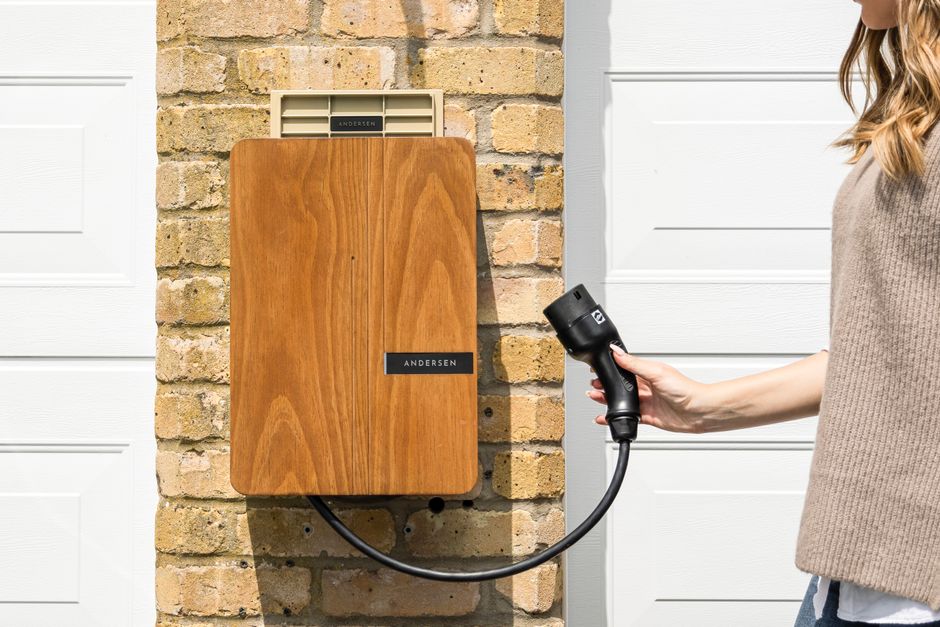
As electric vehicles become an increasingly common sight on Sydney's streets, residential property owners are navigating a growing web of regulations, standards, and safety requirements around EV charging infrastructure. This article breaks down everything you need to know about EV charging compliance for residential properties — from electrical standards to practical installation considerations.
Understanding EV Charging Compliance Requirements for Residential Properties
Installing an EV charger at your home is not simply a matter of plugging in a cable — it involves meeting specific compliance requirements set out under Australian standards and local regulations. Whether you own a standalone home, a unit, or a strata property in Sydney, understanding these requirements is essential before any installation work begins.
In Australia, residential EV charging installations must comply with AS/NZS 3000 (the Wiring Rules) and AS/NZS 3008, which govern electrical cable selection and installation. Any work must be carried out by a licensed electrician, and a Certificate of Compliance for Electrical Work (CCEW) is required upon completion in New South Wales.
Key compliance considerations for residential properties include:
- Dedicated circuit requirements: Most Level 2 home chargers require a dedicated 32A circuit to operate safely and efficiently.
- Earthing and protection: Residual current devices (RCDs) and appropriate earthing systems must be correctly installed.
- Strata and council approvals: Multi-dwelling properties often require body corporate or council consent before installation.
- Meter board upgrades: Older switchboards may need upgrading to handle the additional electrical load.
The rapid growth of EV adoption — driven in part by manufacturers like Tesla, Inc. — has pushed both state and federal regulators to refine residential charging guidelines. Staying informed about these evolving standards helps homeowners avoid costly rectification work and ensures their property remains safe, insurable, and future-ready.
Much like a professionally installed security system from CamSafe Sydney, a compliant EV charging setup is ultimately about protecting your property and the people who live in it.
Federal and State Regulations Governing Residential EV Charging Installations
Understanding the regulatory landscape around residential electric vehicle charging is essential for any property owner considering an installation. Much like the compliance standards that govern security system installations, EV charging infrastructure is subject to a layered framework of federal and state requirements that must be carefully observed.
At the federal level, the primary reference point is the National Electrical Code (NEC), which sets baseline standards for electrical wiring and equipment safety across residential properties. Article 625 of the NEC specifically addresses electric vehicle charging system equipment, covering everything from circuit protection requirements to cable management and outlet placement.
In Australia, the relevant framework draws from a combination of national and state-based standards, including:
- AS/NZS 3000 – the Wiring Rules, which govern all fixed electrical installations in residential settings
- AS/NZS 3001 – covering electrical installations in caravans, boats, and transportable structures where applicable
- NSW Fair Trading licensing requirements – mandating that all EV charger installations be completed by a licensed electrician
- Energy Safe requirements – ensuring that equipment used meets approved safety standards before installation proceeds
In New South Wales specifically, homeowners cannot legally self-install a dedicated EV charging circuit. The work must be completed by a licensed electrical contractor, and in many cases a compliance certificate must be issued upon completion. Failure to meet these obligations can affect your home insurance coverage, complicate property sales, and in serious cases result in financial penalties.
Local council regulations may also apply depending on the nature of the installation, particularly in strata or heritage-listed properties. Before proceeding, property owners are strongly advised to consult both their licensed electrician and their local council to confirm which approvals are required for their specific situation.
HOA and Local Ordinance Rules Affecting Home EV Charging
For Sydney homeowners living within strata complexes or managed communities, the rules governing electric vehicle charging installations can be surprisingly layered. Beyond state and national electrical standards, residents must often navigate homeowners association (HOA) bylaws and local council ordinances before a single cable is run.
Many strata schemes in New South Wales have historically resisted EV charging infrastructure due to concerns about shared electrical load, liability, and aesthetic impact on common property. However, recent reforms to the Strata Schemes Management Act have made it significantly harder for owners corporations to outright block a lot owner from installing a compliant EV charger, provided the installation does not unreasonably affect common property or other residents.
Key considerations that typically come under HOA or local ordinance scrutiny include:
- Approved installation pathways: Whether cabling must run through common areas, and how those works are approved and documented
- Metering and cost allocation: Ensuring electricity consumption is attributed correctly to the individual lot, not shared across the building
- Equipment placement: Restrictions on where charging units can be mounted, particularly in shared garages or visible street-facing positions
- Compliance documentation: Local councils may require permits or certificates of compliance before and after installation
Much like how a professional CCTV installation in a strata building requires careful planning around cable routes, power sources, and body corporate approvals, EV charger installations demand the same disciplined, documented approach. Cutting corners on approvals can result in costly removal orders or insurance complications down the track.
If you are unsure whether your local council or strata committee has specific requirements, engaging a licensed electrician familiar with residential compliance in your area is a practical first step before committing to any hardware purchase.
Permitting, Inspection, and Electrical Code Standards for Home Chargers
Installing an electric vehicle charger at your residential property in Sydney is not simply a matter of plugging in a unit and calling it done. Australian electrical regulations — governed primarily by AS/NZS 3000:2018 (the Wiring Rules) and enforced through state-level building codes — require that any dedicated EV charging circuit be installed by a licensed electrician and, in most cases, signed off with the appropriate compliance documentation.
Key requirements property owners should understand include:
- Licensed electrician mandatory: DIY installation of a Level 2 AC home charger is illegal in New South Wales. The work must be completed by a licensed electrical contractor who can issue a Certificate of Compliance for Electrical Work (CCEW).
- Council permits: Depending on your local government area, a development application or complying development certificate may be required, particularly if the installation involves significant switchboard upgrades or external wall penetrations.
- Switchboard capacity checks: Inspectors will verify that your existing switchboard can safely handle the additional load, often requiring upgraded circuit breakers or RCD protection.
- Earthing and bonding: The charger installation must meet specific earthing standards to protect both residents and the vehicle itself from electrical faults.
- Metering and network notification: If a smart charger or dedicated sub-meter is installed, your electricity distributor may need to be notified before energisation.
Much like the residential security solutions CamSafe Sydney installs — where certified technicians ensure every camera, cable run, and power supply meets local compliance standards — EV charger installations demand the same rigorous, professional approach. Cutting corners on permitting exposes homeowners to insurance voidance, resale complications, and genuine safety hazards. For broader property compliance questions, the CamSafe FAQ is a useful reference point for understanding how professional installation practices protect you long-term.
Tenant and Landlord Obligations for EV Charging Access
Understanding who is responsible for EV charging infrastructure in a residential tenancy arrangement is increasingly important as electric vehicle ownership grows across Sydney. Both landlords and tenants carry distinct obligations, and clarity around these responsibilities helps avoid disputes and ensures compliance with relevant legislation.
Landlord responsibilities typically include ensuring that any existing electrical infrastructure meets safety standards and that any modifications requested for EV charging are assessed properly. In many cases, landlords cannot unreasonably refuse a tenant's written request to install an EV charging point, particularly where the installation causes minimal structural impact and meets Australian Standards for electrical work.
Tenant responsibilities generally include:
- Submitting a formal written request to the landlord before any installation work begins
- Using only licensed electricians for all charging equipment installation
- Restoring the property to its original condition at the end of the tenancy, unless otherwise agreed
- Ensuring the installed equipment complies with AS/NZS 3000 wiring standards and relevant local council requirements
- Taking out appropriate insurance coverage for the installed equipment
For strata and apartment properties, additional layers of approval may be required from the owners corporation before any works proceed. This is particularly relevant for shared car parks and common area electrical panels, where coordinated access and load management become a collective concern.
Just as property security systems like CCTV installations require documented agreements between landlords and tenants regarding placement, access, and removal, EV charging arrangements benefit from a clear written agreement that outlines cost-sharing, maintenance responsibilities, and what happens to the equipment when a tenancy ends.
Failing to establish these obligations in writing can leave both parties exposed to financial and legal risk, making proactive communication and proper documentation an essential first step for any residential EV charging arrangement.
Steps to Achieve and Maintain EV Charging Compliance at Your Property
Getting your residential property EV-charging compliant doesn't have to be overwhelming. Breaking the process into clear, manageable steps ensures you meet all relevant standards while protecting your investment long-term.
- Conduct a professional electrical audit: Before installing any charging equipment, have a licensed electrician assess your switchboard capacity, wiring condition, and load-bearing capability. This baseline inspection identifies any upgrades needed before installation begins.
- Research local council and strata requirements: Check with your local Sydney council and, if applicable, your strata committee or owners corporation. Obtain written approval where required and confirm any body corporate by-laws that govern EV charger installations.
- Select compliant, AS/NZS-certified equipment: Only purchase EV charging units that meet Australian Standards. Your installer should confirm the equipment's certification before proceeding.
- Use a licensed, accredited installer: Installation must be carried out by a licensed electrician familiar with EV charging requirements. Request a Certificate of Compliance for Electrical Work (CCEW) upon completion.
- Schedule regular maintenance checks: Compliance isn't a one-time achievement. Periodically inspect cables, connectors, protective devices, and weatherproofing to ensure continued safe operation.
- Keep documentation accessible: Store installation certificates, product specifications, and maintenance records somewhere easily retrievable. These documents are essential if you sell, rent, or renovate the property.
Much like installing a quality CCTV security system, the key to successful EV charging compliance lies in using certified equipment, relying on qualified professionals, and committing to ongoing upkeep rather than a set-and-forget approach.
Navigating EV charging compliance at a residential property involves understanding evolving regulations, electrical standards, strata considerations, and safety obligations. Whether you're a homeowner future-proofing your home or a landlord preparing for growing tenant demand, taking a structured, informed approach protects both people and property. The effort invested in getting compliance right from the start pays dividends in safety, property value, and peace of mind for years to come.