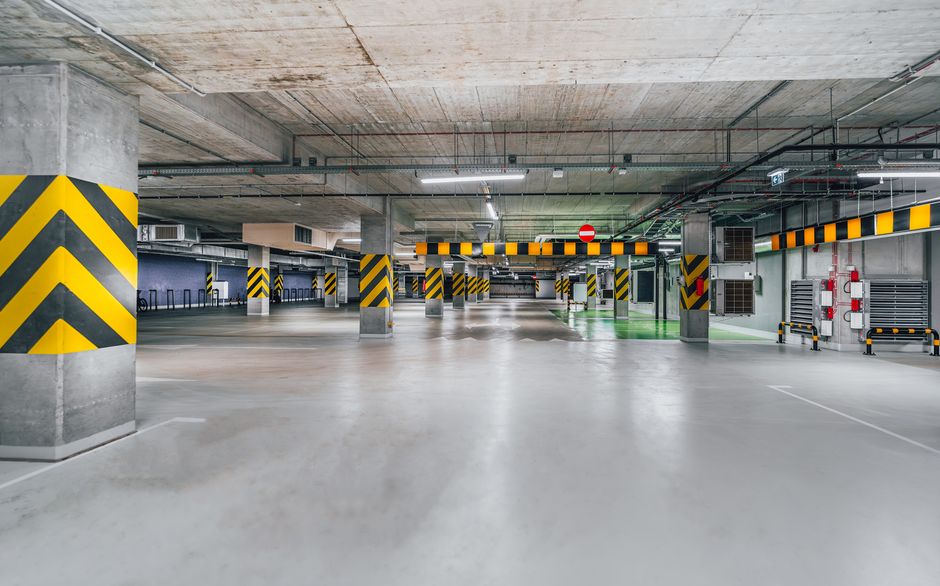
From reinforcing entry points to improving visibility around your property, home safety in Sydney covers far more ground than most people expect — and the garage is one area that's often overlooked until something goes wrong. This guide explores how upgrading your garage floor can deliver meaningful safety, chemical resistance, and emergency access benefits for Sydney households.
Why Sydney Homeowners Are Prioritising Garage Floor Safety
The benefits of epoxy garage floor coatings have moved firmly into the mainstream conversation around home safety — and for good reason. Sydney's climate, with its humidity, heat, and occasional heavy downpours, creates conditions where untreated concrete garage floors can become genuinely hazardous. Water tracked in from storms, oil spills from vehicles, and everyday dust all contribute to slip risks that most families don't consider until an accident happens.
There's also a broader shift in how Sydney homeowners are thinking about property safety. Just as security-conscious residents invest in quality CCTV systems and fortified entry points, more people are recognising that the garage — often a primary entry and exit point for the household — deserves the same level of attention. A garage is not simply somewhere to park a car; it's a workspace, a storage area, and increasingly, a first-response zone during household emergencies.
The Garage as a Critical Safety Zone
Public institutions have long understood that high-traffic floors demand proper treatment. Facilities like the Empire State Plaza complex demonstrate how large-scale environments prioritise durable, slip-resistant surfaces in areas that see constant foot traffic. The same principle applies at the residential scale.
- Increased foot traffic: Families, tradespeople, and guests all pass through the garage regularly.
- Chemical exposure: Fuels, oils, and cleaning products are common in garage environments.
- Emergency access: During a crisis, a clear, safe floor surface can make a real difference.
Understanding these risks is the first step toward making a smarter, safer choice for your home.
The Core Benefits of Epoxy Garage Floor Coatings
Understanding the benefits of epoxy garage floor coatings is essential before committing to any home safety upgrade — and for Sydney homeowners, the advantages go well beyond aesthetics. A properly applied epoxy coating transforms a bare concrete slab into a high-performance surface that actively supports household safety, day-to-day functionality, and emergency preparedness.
Slip Resistance in Wet and Dry Conditions
Sydney's climate means garages frequently deal with tracked-in rain, morning condensation, and humidity. Untreated concrete becomes dangerously slippery under these conditions. Epoxy coatings can incorporate anti-slip aggregates — such as fine quartz or aluminium oxide — that maintain grip underfoot even when surfaces are wet. This is particularly important in households with children, older residents, or anyone who may need to move quickly through the garage during an emergency.
Chemical and Stain Resistance
Garages are exposed to motor oil, battery acid, cleaning solvents, and fuel spills on a regular basis. These substances not only stain bare concrete permanently but can also create hazardous, slippery patches. Epoxy creates a non-porous, chemically resistant barrier that prevents absorption, making spills easy to wipe away before they become a safety risk.
Durability That Supports Long-Term Safety
One of the most practical benefits of epoxy garage floor surfaces is their exceptional durability. A quality epoxy system resists cracking, chipping, and surface degradation — meaning no uneven surfaces or trip hazards developing over time. This structural reliability is directly relevant to emergency access: a smooth, clearly visible, well-maintained floor means faster and safer movement when it matters most.
- Enhanced grip through anti-slip additives
- Chemical resistance preventing hazardous spills from spreading
- Long-lasting surface integrity reducing trip and fall risks
- Easier cleaning keeping emergency exit paths clear and unobstructed
How Epoxy Reduces Slip Hazards in Wet and Oily Conditions — One of the Standout Benefits of Epoxy Garage Floor Surfaces
When it comes to home safety in Sydney, the garage is one of the most overlooked risk zones. Rain tracked in from driveways, oil drips from vehicles, and spilled cleaning fluids can turn a bare concrete floor into a genuinely dangerous surface. Understanding the benefits of epoxy garage floor coatings in wet and oily conditions is essential for any homeowner serious about reducing household hazards.
Standard concrete is porous and absorbs liquids slowly, leaving slick puddles sitting on the surface far longer than most people realise. Epoxy coatings, by contrast, can be applied with anti-slip aggregate additives — such as aluminium oxide or fine quartz sand — that are broadcast into the topcoat before it cures. These particles create a textured surface that dramatically increases traction underfoot, even when the floor is wet or lightly contaminated with oil.
Key slip-resistance advantages include:
- Consistent grip across the full floor area, rather than only in designated mat zones
- Resistance to grease and motor oil, which bead on the sealed surface rather than spreading into an invisible slick
- Faster drying after rain or washing, because the non-porous coating prevents liquid from soaking in and lingering
- Reduced debris accumulation in surface texture, making the floor easier to mop clean and maintain grip over time
For households with children, elderly residents, or anyone carrying tools and equipment through the garage, this level of underfoot security is meaningful. It also complements other home security measures — a well-lit, clearly visible, slip-safe garage floor supports faster and safer movement during any kind of emergency, day or night.
Chemical Resistance: Protecting Your Family and Your Floor
One of the most compelling yet often overlooked benefits of epoxy garage floor coatings is their exceptional resistance to chemicals — a feature that has direct implications for household safety. Sydney garages are working environments. They store motor oil, brake fluid, fertilisers, pool chemicals, solvents, and cleaning agents, all of which can spill without warning. On bare concrete, these substances soak in immediately, creating staining, structural degradation, and — critically — invisible hazards that put your family and pets at risk.
How Epoxy Creates a Protective Barrier
Epoxy coatings cure into a dense, non-porous surface that resists penetration from virtually all common household and automotive chemicals. Rather than absorbing a spill, the sealed floor simply holds it on the surface, where it can be wiped away quickly and safely. This containment quality matters for two key reasons:
- Health protection: Chemicals that soak into raw concrete can off-gas slowly over time, contributing to poor air quality inside an attached garage — and potentially inside your home.
- Structural integrity: Repeated chemical exposure weakens untreated concrete, leading to cracking and surface degradation that creates uneven trip hazards over time.
For homeowners who already invest in comprehensive property protection — the kind of layered home security thinking explored throughout the CamSafe Sydney blog — epoxy flooring fits naturally into that same philosophy. Proactive risk reduction at every level of your property is always more cost-effective than reactive repairs.
It is also worth noting that a chemically resistant floor is far easier to decontaminate in an emergency. If a hazardous substance spills, you can act immediately rather than waiting for a contractor to assess concrete damage. For families with children or elderly relatives, that speed of response is invaluable. If you have questions about how home upgrades intersect with broader safety planning, the CamSafe FAQ page covers a range of practical residential safety topics worth reviewing.
Clearer Emergency Access and Better Visibility in a Crisis
One of the most overlooked benefits of epoxy garage floor coatings is how dramatically they improve emergency access during a high-stress situation. When seconds count — whether that's a medical emergency, a fire, or a break-in — your garage should be an asset, not an obstacle.
Traditional concrete garage floors tend to accumulate clutter, oil stains, and poor lighting conditions that make it difficult to navigate quickly. An epoxy-coated surface changes this equation in several meaningful ways:
- High-gloss reflectivity: Epoxy's light-reflective finish significantly brightens the garage interior, even under minimal lighting. This helps emergency responders — and you — identify hazards, locate equipment, and move safely without hesitation.
- Defined zones with line markings: Many homeowners use epoxy coatings to paint clear pathways, parking boundaries, and emergency equipment zones directly onto the floor. These visual cues remain legible under stress.
- Clutter-free surfaces: Because epoxy is easy to clean and resists staining, homeowners are naturally encouraged to keep floors clear — reducing trip hazards that could impede a fast exit or paramedic entry.
- Integration with security systems: A well-lit, clearly marked garage pairs directly with your CCTV setup. Cameras covering the garage can actually capture useful footage when the floor surface reflects ambient light effectively, improving image quality and situational awareness.
From a home security perspective, the garage is often the first point of entry for emergency services. A sealed, clearly navigable floor helps paramedics wheel in equipment, firefighters move without slipping on grease, and your family exit quickly when it matters most.
If you're weighing up the practical upgrades available, exploring the epoxy garage floor advantages outlined by Ironclad Floors is a sensible starting point before making your decision.
Choosing and Installing Epoxy in Your Sydney Home: Realising the Benefits of Epoxy Garage Floor Coatings
Understanding the benefits of epoxy garage floor coatings is only half the journey — selecting the right product and installer for Sydney's specific conditions is what turns theory into a safer, more functional home. Sydney's coastal humidity, temperature swings, and salt-laden air all influence how epoxy cures and performs, so local expertise genuinely matters.
Key Factors to Consider Before You Start
- Concrete condition: Cracks, moisture intrusion, or previous sealers must be addressed before any coating is applied. A professional will diamond-grind or acid-etch the slab to ensure proper adhesion.
- Product grade: Domestic DIY kits differ significantly from two-part, 100% solids industrial-grade systems. For high-traffic garages used as emergency staging areas, a thicker, self-levelling formulation is strongly recommended.
- Anti-slip aggregate: Request a broadcast of aluminium oxide or quartz grit into the topcoat — a non-negotiable step for wet-weather slip resistance in Sydney households.
- VOC compliance: Choose low-VOC formulations for enclosed garages to protect family health during and after application.
- Warranty and aftercare: Reputable Sydney installers provide a written warranty and advise on compatible cleaning products that won't degrade the surface over time.
Installation typically takes two to three days including surface preparation, primer coat, colour coat, and clear topcoat. Plan to keep vehicles off the floor for at least 72 hours after the final coat.
From slip resistance and chemical protection to streamlined emergency access, every upgrade discussed in this guide ultimately works best as part of a layered home safety strategy. A well-coated epoxy garage floor removes a surprising number of everyday hazards while also making your home easier for emergency personnel to navigate quickly and safely. Paired with reliable security measures — from good lighting to quality CCTV surveillance — these practical improvements give Sydney homeowners genuine, lasting peace of mind.